WTO begins process of selecting new director-general
January 30, 2013 | 03:54 PM
GENEVA — The World Trade Organization Tuesday began the process of selecting a new director-general to succeed Pascal Lamy, a former European Union official who has held the post for eight years.
Nine candidates from nine countries have announced their interest in the position, which is filled through a process of consensus rather than election. The candidates are from Brazil, Costa Rica, Ghana, Indonesia, Jordan, Kenya, Korea, Mexico and New Zealand.
In early December, before the deadline for candidates to submit their paper work had arrived, no one had shown an interest, creating fears that even trade officials believed that the lack of progress on the Doha Round that began in 2001 had made the WTO a declining institution.
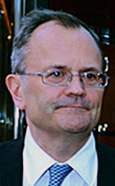 Keith Rockwell (WTO/Studio Casagrande)
But the fact that nine candidates are running “is a robust indication of support for the WTO,” said Keith Rockwell, director of the WTO information and media relations division.
All the candidates will be under pressure to convince leaders of the 157 WTO member countries that they can complete the Doha Round.
They also need to explain how they would keep the WTO relevant in a fast-changing era in which China, Brazil and a few other emerging economies have become economically more important while maintaining developing country status, a situation that allows them to subsidize agriculture and other sectors more than the United States, the European Union and other developed countries that have had severe economic problems in recent years.
The process of selection is as follows:
“The idea is not to elect someone, but to build consensus around someone, which is not the same thing,” noted Rockwell.
The reasons that governments including the United States will support or oppose a candidate are complex. The candidate’s management and communications skills will obviously play a role, but so will international and regional world politics.
The first part of the process seems to be elimination of candidates rather than support for candidates. Representatives are expected to resist appointing a WTO director general from a country that already holds a high international post.
There is already gossip in Geneva that the candidate from Brazil, Roberto Carvalho de Azevêdo, will not fare well because another Brazilian, Jose Graziano da Silva, is director general of the United Nations Food and Agriculture Organization.
The Brazilian candidate, the Mexican candidate, Herminio Blanco, and the Costa Rican candidate, Anabel González, face the disadvantage that support from Latin America may be divided.
Africa has produced two candidates, Alan Kyerematen of Ghana and Amina Mohamed of Kenya, which might mean split loyalties on that continent, too.
The Korean candidate, Taeho Bark, has the disadvantage that the U.N. secretary general, Ban Ki Moon, and World Bank President Jim Yong are both considered Korean. (Zong was born in Korea, but grew up in Muscatine, Iowa, and was president of Dartmouth College before his appointment.)
New Zealand’s candidate, Tim Groser, has to address the fact that he is the only candidate from a developed country when there is pressure to appoint a director general from a developing country. Another issue is that a New Zealander, Michael Moore, held the director general job in 1999 when the WTO trade ministers’ meeting in Seattle failed to launch a round. (Moore is now the New Zealand ambassador in Washington.)
That leaves Ahmad Thougan Hindawi of Jordan and Mari Elka Pangestu of Indonesia without immediate problems to address.
According to the WTO plan, the General Council would announce a final candidate by May. Lamy’s term ends on August 31, and the new director general would take over with plenty of time to get ready for the meeting of all country trade ministers in Bali, Indonesia, in December. Trade ministers have said that progress on the Doha Round needs to be shown in Bali if the round is to continue.
But the large number of candidates indicates there is no certainty to the director-general selection process.
In 1999, developed and developing country representatives were so divided that the six-year term had to be divided between two candidates, Moore of New Zealand and Supachai Panitchpakdi of Thailand. The divided term was not considered a success and in 2003 the WTO put in place new procedures and reduced the term to four years.
In 2005, Lamy was selected in an orderly five-month process in which the other candidates were Carlos Perez del Castillo of Uruguay, Jaya Krishna Cuttaree of Mauritius and Luiz Felipe Seixas Correa of Brazil.
In 2009 no one ran against Lamy and he was reappointed for a second four-year term.
Nine candidates from nine countries have announced their interest in the position, which is filled through a process of consensus rather than election. The candidates are from Brazil, Costa Rica, Ghana, Indonesia, Jordan, Kenya, Korea, Mexico and New Zealand.
In early December, before the deadline for candidates to submit their paper work had arrived, no one had shown an interest, creating fears that even trade officials believed that the lack of progress on the Doha Round that began in 2001 had made the WTO a declining institution.
But the fact that nine candidates are running “is a robust indication of support for the WTO,” said Keith Rockwell, director of the WTO information and media relations division.
All the candidates will be under pressure to convince leaders of the 157 WTO member countries that they can complete the Doha Round.
They also need to explain how they would keep the WTO relevant in a fast-changing era in which China, Brazil and a few other emerging economies have become economically more important while maintaining developing country status, a situation that allows them to subsidize agriculture and other sectors more than the United States, the European Union and other developed countries that have had severe economic problems in recent years.
The process of selection is as follows:
- Each of the nine candidates will give a speech this week to the WTO General Council, which is composed of the representatives of the member countries in Geneva, answer questions from the members of the General Council for an hour and a half, and then hold a half-hour news conference.
- After this week, the candidates will travel around the world meeting with officials seeking support.
- In April, the chairmen and chairwomen of the WTO General Council, Dispute Settlement Body and the Trade Policy Review Body will hold meetings known informally as “confessionals,” in which they will ask the member countries’ representatives in Geneva who they can support and who they cannot support.
- Through this process candidates will be eliminated.
“The idea is not to elect someone, but to build consensus around someone, which is not the same thing,” noted Rockwell.
The reasons that governments including the United States will support or oppose a candidate are complex. The candidate’s management and communications skills will obviously play a role, but so will international and regional world politics.
The first part of the process seems to be elimination of candidates rather than support for candidates. Representatives are expected to resist appointing a WTO director general from a country that already holds a high international post.
There is already gossip in Geneva that the candidate from Brazil, Roberto Carvalho de Azevêdo, will not fare well because another Brazilian, Jose Graziano da Silva, is director general of the United Nations Food and Agriculture Organization.
The Brazilian candidate, the Mexican candidate, Herminio Blanco, and the Costa Rican candidate, Anabel González, face the disadvantage that support from Latin America may be divided.
Africa has produced two candidates, Alan Kyerematen of Ghana and Amina Mohamed of Kenya, which might mean split loyalties on that continent, too.
The Korean candidate, Taeho Bark, has the disadvantage that the U.N. secretary general, Ban Ki Moon, and World Bank President Jim Yong are both considered Korean. (Zong was born in Korea, but grew up in Muscatine, Iowa, and was president of Dartmouth College before his appointment.)
New Zealand’s candidate, Tim Groser, has to address the fact that he is the only candidate from a developed country when there is pressure to appoint a director general from a developing country. Another issue is that a New Zealander, Michael Moore, held the director general job in 1999 when the WTO trade ministers’ meeting in Seattle failed to launch a round. (Moore is now the New Zealand ambassador in Washington.)
That leaves Ahmad Thougan Hindawi of Jordan and Mari Elka Pangestu of Indonesia without immediate problems to address.
According to the WTO plan, the General Council would announce a final candidate by May. Lamy’s term ends on August 31, and the new director general would take over with plenty of time to get ready for the meeting of all country trade ministers in Bali, Indonesia, in December. Trade ministers have said that progress on the Doha Round needs to be shown in Bali if the round is to continue.
But the large number of candidates indicates there is no certainty to the director-general selection process.
In 1999, developed and developing country representatives were so divided that the six-year term had to be divided between two candidates, Moore of New Zealand and Supachai Panitchpakdi of Thailand. The divided term was not considered a success and in 2003 the WTO put in place new procedures and reduced the term to four years.
In 2005, Lamy was selected in an orderly five-month process in which the other candidates were Carlos Perez del Castillo of Uruguay, Jaya Krishna Cuttaree of Mauritius and Luiz Felipe Seixas Correa of Brazil.
In 2009 no one ran against Lamy and he was reappointed for a second four-year term.
