Stallman praises extension, urges farm bill in 2013
January 13, 2013 | 05:21 PM
NASHVILLE — Although the American Farm Bureau Federation lobbied for passage of a farm bill in 2012, President Bob Stallman today praised Congress for passing the tax bill that included a farm bill extension. But he also said a new bill is needed in 2013, and that farmers need to tell politicians that they will not stand for more “self-serving jackass stubbornness.”
“Congress wasn’t willing to take much concrete action in an election year,” Stallman said. “But after the election, it was time to stop campaigning and start governing.”
The farm bill extension, he pointed out, was “one of only a couple of issues that rose to a level that warranted Congress’ attention during the post-election, lame-duck session.”
Stallman praised the estate tax reforms and said, “What Congress did on the farm bill is not perfect, but at least it gives us certainty for 2013.”
Stallman made reference to reports of possible $7-a-gallon milk prices that forced action on the bill. “It was actually refreshing to see an instance where the media connected the dots and the public began to understand that farm policy has important impacts for them at the grocery.”
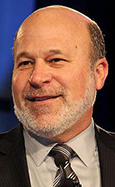 Bob Stallman
Farm Bureau members, he said, “need the new Congress to show the leadership needed to pass long-term farm policy and enact the kind of reforms that the Senate and House Agriculture Committee have approved.”
“We just elected and re-elected leaders for a new term. We must let them know that our nation can no longer afford political drama, manufactured crises and self-serving jackass stubbornness,” Stallman said. “We have grown tired of that ‘reality show.’ ”
Stallman did not discuss details of Farm Bureau’s farm bill positions in his speech, and noted that once again the organization’s board may have to make decisions on what the organization actually supports.
Last year Farm Bureau had great difficulty coming up with policy that Congress would take seriously. While corn and soybean growers insisted on a “shallow loss” program that would pay farmers for losses not covered by crop insurance, Farm Bureau wanted a “deep loss” program that was never taken seriously. As the Senate and the House Agriculture Committee considered farm bills quite different from what Farm Bureau proposed, the board eventually endorsed them.
In another reflection of the organization’s difficulty in coming up with crop policy, Stallman said that Farm Bureau expects the next farm bill to end the direct payments farmers get whether prices are high or low. But he noted that Farm Bureau “never said we want elimination of direct payments, but we are willing to accept” it as long as the budgetary dollars are used for a stronger safety net.
Although the farm bill extension contains another round of direct payments, Stallman said he is not sure farmers will ever get them because Congress might use the budget authority for another purpose before they are made.
“Budget concerns are going to be constant and ongoing,” Stallman said. Farm Bureau will support a fair share of cuts to agriculture, Stallman said, “but we’re not going to be the piggy bank.”
Asked why Congress might be more likely to pass a farm bill in 2013, Stallman said, “What is politically different is we don’t have an election.”
But he declined to comment directly on the decision of House Agriculture Committee ranking member Collin Peterson, D-Minn., to tell House Speaker John Boehner, R-Ohio, and House Majority Leader Eric Cantor, R-Va., that Democrats will not participate in a committee markup unless the Republican leaders make a commitment to bring up the bill on the House floor.
Stallman said that Boehner and Cantor should address their unwillingness to bring up the House Agriculture Committee-passed bill last year, as well as Peterson's letter, but he added, “We were frustrated about that. We were disappointed when that didn't happen.”
“Congress wasn’t willing to take much concrete action in an election year,” Stallman said. “But after the election, it was time to stop campaigning and start governing.”
The farm bill extension, he pointed out, was “one of only a couple of issues that rose to a level that warranted Congress’ attention during the post-election, lame-duck session.”
Stallman praised the estate tax reforms and said, “What Congress did on the farm bill is not perfect, but at least it gives us certainty for 2013.”
Stallman made reference to reports of possible $7-a-gallon milk prices that forced action on the bill. “It was actually refreshing to see an instance where the media connected the dots and the public began to understand that farm policy has important impacts for them at the grocery.”
Farm Bureau members, he said, “need the new Congress to show the leadership needed to pass long-term farm policy and enact the kind of reforms that the Senate and House Agriculture Committee have approved.”
“We just elected and re-elected leaders for a new term. We must let them know that our nation can no longer afford political drama, manufactured crises and self-serving jackass stubbornness,” Stallman said. “We have grown tired of that ‘reality show.’ ”
Stallman did not discuss details of Farm Bureau’s farm bill positions in his speech, and noted that once again the organization’s board may have to make decisions on what the organization actually supports.
Last year Farm Bureau had great difficulty coming up with policy that Congress would take seriously. While corn and soybean growers insisted on a “shallow loss” program that would pay farmers for losses not covered by crop insurance, Farm Bureau wanted a “deep loss” program that was never taken seriously. As the Senate and the House Agriculture Committee considered farm bills quite different from what Farm Bureau proposed, the board eventually endorsed them.
In another reflection of the organization’s difficulty in coming up with crop policy, Stallman said that Farm Bureau expects the next farm bill to end the direct payments farmers get whether prices are high or low. But he noted that Farm Bureau “never said we want elimination of direct payments, but we are willing to accept” it as long as the budgetary dollars are used for a stronger safety net.
Although the farm bill extension contains another round of direct payments, Stallman said he is not sure farmers will ever get them because Congress might use the budget authority for another purpose before they are made.
“Budget concerns are going to be constant and ongoing,” Stallman said. Farm Bureau will support a fair share of cuts to agriculture, Stallman said, “but we’re not going to be the piggy bank.”
Asked why Congress might be more likely to pass a farm bill in 2013, Stallman said, “What is politically different is we don’t have an election.”
But he declined to comment directly on the decision of House Agriculture Committee ranking member Collin Peterson, D-Minn., to tell House Speaker John Boehner, R-Ohio, and House Majority Leader Eric Cantor, R-Va., that Democrats will not participate in a committee markup unless the Republican leaders make a commitment to bring up the bill on the House floor.
Stallman said that Boehner and Cantor should address their unwillingness to bring up the House Agriculture Committee-passed bill last year, as well as Peterson's letter, but he added, “We were frustrated about that. We were disappointed when that didn't happen.”
