Nutrition advocates praise snack rule, School Nutrition Association cautious
July 01, 2013 | 07:03 PM
Nutrition advocates and retired military officers joined Agriculture Secretary Tom Vilsack in praising the new nutrition standards for foods and beverages sold in school a la carte lines, vending machines and snack bars, while the School Nutrition Association adopted a wait-and-see attitude as an official testified that the new rules for healthier school meals have caused some problems.
The Agriculture Department’s Food, Consumer and Nutrition Service has developed the rule under the Healthy, Hunger Free Kids Act in an attempt to reduce childhood obesity. The rule calls for fewer sweeteners, less sodium low fat dairy and meat and whole grains.
USDA released an interim final rule last week, and Agriculture Secretary Tom Vilsack said he believes that schools and food providers should have plenty of time to adjust to the rule since it will not go into effect until July 2014.
In the news conference, Vilsack noted that snacks served in schools should not have more than 200 calories and a la carte entrees are limited to 350 calories, but that the rule does not apply to after-school sporting events or foods that students bring to school.

Lt. Gen. Norman Seip
Retired Lt. Gen. Norman R. Seip of “Mission: Readiness,” a group that is worried that obesity prevents one quarter of young Americans from qualifying for the military, praised the rule. He noted that many children get half their calories during school and that American youth “are consuming 400 billion calories of junk food per year — the equivalent of 2 billion candy bars, and combined weight of 99,000 tons, more than the weight of aircraft carrier Midway.”
“As a result of the updated standards announced by USDA, children will be protected from the sugar drinks and junk food that tempt them through school vending machines, a la carte lines in cafeterias, and school stores and snack bars,” said Margo Wootan of the Center for Science in the Public Interest. “USDA’s action is much needed given children’s generally unhealthy diets and high rates of obesity.”

Jessica Donze Black
Jessica Donze Black, director of the Kids’ Safe and Healthful Food Project, which is funded by the Pew Charitable Trusts, praised the rule, but said that states and localities can establish even higher nutritional standards than USDA.
“The guidelines established by USDA serve as a baseline — states and localities can build on them and customize exactly what items are served to students in their schools,” Black said.
Rick Goff, executive director for the Office of Child Nutrition for the Education Department in West Virginia, which has already established healthier food standards, said in the news conference with Vilsack that regulating vending machines had been “a huge challenge,” but that the state had succeeded by holding a vendor conference, creating a marketing plan and a “Let’s Party” website for parents so that they could calculate what foods met the guidelines.
“The last thing you want to do is alienate parents,” he said.
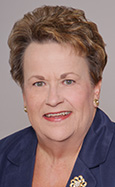
Sandra Ford
But Sandra Ford, president of the School Nutrition Association, which represents the preparers of school meals, said in a news release that SNA “is reviewing the details of the interim rule to assess the impact of these new regulations on school meal programs” and is glad that USDA has established it as an interim final rule.
Ford noted that the final rule for regular school meals forced schools to eliminate daily sandwich choices from their menus because offering two slices of whole grain bread a day could exceed weekly limits on grains. USDA issued a temporary reprieve from the grain and protein limits, and SNA is supporting legislation to permanently eliminate these limits, although USDA officials have said they expect the reprieve to become permanent.
Ford also testified on Thursday before the House Education and Workforce Early Childhood, Elementary and Secondary Education Subcommittee on the implementation of the rule on regular school meals. Ford said that in the Bradenton, Fla., school district, new rules had raised costs while lunch participation has declined from 72 percent to 68 percent of the study body.
Rep. Todd Rotika, R-Ind., the subcommittee chairman, said that the school meal rule encourages waste because students are forced to take foods such as fruits and vegetables they do not want and are burdensome to the schools.
The Agriculture Department’s Food, Consumer and Nutrition Service has developed the rule under the Healthy, Hunger Free Kids Act in an attempt to reduce childhood obesity. The rule calls for fewer sweeteners, less sodium low fat dairy and meat and whole grains.
USDA released an interim final rule last week, and Agriculture Secretary Tom Vilsack said he believes that schools and food providers should have plenty of time to adjust to the rule since it will not go into effect until July 2014.
In the news conference, Vilsack noted that snacks served in schools should not have more than 200 calories and a la carte entrees are limited to 350 calories, but that the rule does not apply to after-school sporting events or foods that students bring to school.
Lt. Gen. Norman Seip
Retired Lt. Gen. Norman R. Seip of “Mission: Readiness,” a group that is worried that obesity prevents one quarter of young Americans from qualifying for the military, praised the rule. He noted that many children get half their calories during school and that American youth “are consuming 400 billion calories of junk food per year — the equivalent of 2 billion candy bars, and combined weight of 99,000 tons, more than the weight of aircraft carrier Midway.”
“As a result of the updated standards announced by USDA, children will be protected from the sugar drinks and junk food that tempt them through school vending machines, a la carte lines in cafeterias, and school stores and snack bars,” said Margo Wootan of the Center for Science in the Public Interest. “USDA’s action is much needed given children’s generally unhealthy diets and high rates of obesity.”
Jessica Donze Black
Jessica Donze Black, director of the Kids’ Safe and Healthful Food Project, which is funded by the Pew Charitable Trusts, praised the rule, but said that states and localities can establish even higher nutritional standards than USDA.
“The guidelines established by USDA serve as a baseline — states and localities can build on them and customize exactly what items are served to students in their schools,” Black said.
Rick Goff, executive director for the Office of Child Nutrition for the Education Department in West Virginia, which has already established healthier food standards, said in the news conference with Vilsack that regulating vending machines had been “a huge challenge,” but that the state had succeeded by holding a vendor conference, creating a marketing plan and a “Let’s Party” website for parents so that they could calculate what foods met the guidelines.
“The last thing you want to do is alienate parents,” he said.
Sandra Ford
But Sandra Ford, president of the School Nutrition Association, which represents the preparers of school meals, said in a news release that SNA “is reviewing the details of the interim rule to assess the impact of these new regulations on school meal programs” and is glad that USDA has established it as an interim final rule.
Ford noted that the final rule for regular school meals forced schools to eliminate daily sandwich choices from their menus because offering two slices of whole grain bread a day could exceed weekly limits on grains. USDA issued a temporary reprieve from the grain and protein limits, and SNA is supporting legislation to permanently eliminate these limits, although USDA officials have said they expect the reprieve to become permanent.
Ford also testified on Thursday before the House Education and Workforce Early Childhood, Elementary and Secondary Education Subcommittee on the implementation of the rule on regular school meals. Ford said that in the Bradenton, Fla., school district, new rules had raised costs while lunch participation has declined from 72 percent to 68 percent of the study body.
Rep. Todd Rotika, R-Ind., the subcommittee chairman, said that the school meal rule encourages waste because students are forced to take foods such as fruits and vegetables they do not want and are burdensome to the schools.
