Baucus, Hatch, Camp introduce trade promotion bill but Levin and other Democrats say no
January 09, 2014 | 06:26 PM
Senate Finance Committee Chairman Max Baucus, D-Mont., Senate Finance ranking member Orrin Hatch, R-Utah, and House Ways and Means Committee Chairman Dave Camp, R-Mich., today introduced a bill to give President Barack Obama and trade negotiators the authority to negotiate trade pacts that could not be amended by Congress.
But House Ways and Means ranking member Sander Levin, D-Mich., and other Democrats including Rep. Rosa De Lauro, D-Conn., said they could not support it.

Michael Froman
Trade Representative Michael Froman welcomed the introduction of the legislation.
“We expect to have a robust conversation on the Hill about how trade agreements should be negotiated and the role of Congress in that process,” Froman said.
“We’re eager to engage directly with members of the Finance and Ways and Means Committees and with all of Congress to pass Trade Promotion Authority legislation that has broad, bipartisan support,” he said.
“USTR is negotiating agreements in new ways that not will only open markets, but will do a better job of supporting American jobs and reflecting our values around the world — on labor, the environment, access to medicines and other issues.”
The bill’s prospects are uncertain without a Democratic House co-sponsor. House Speaker John Boehner, R-Ohio, said today he has told Obama that “this can’t pass unless there is bipartisan support for it.”
“And this goes back months, and yet we’ve seen scant attention to this issue by the administration in terms of encouraging Democrat leaders and Democrat members to stand up and vote for it,” Boehner added.

Bill Reinsch
But National Foreign Trade Council President Bill Reinsch said this week that he sees trade promotion authority and the Trans-Pacific Partnership negotiations reinforcing each other.
In a briefing Wednesday for reporters, Reinsch said that the prospects of passing TPP will make more members of Congress willing to support TPA, and that the prospect that Congress will grant TPA to the Obama administration will encourage negotiators of other countries to complete the agreement.
The biggest danger for TPA, Reinsch said, is for TPP negotiations to falter. NFTC also said that Rep. Ron Kind, D-Wis., is viewed as a potential Democratic co-sponsor.
“The Bipartisan Congressional Trade Priorities Act of 2014 establishes 21st century congressional negotiating objectives and rules for the administration to follow when engaged in trade talks, including strict requirements for congressional consultations and access to information,” Baucus, Hatch and Camp said in a news release issued by the Senate Finance Committee.
“Provided the administration follows the rules, special procedures apply when moving a negotiated deal that satisfies the objectives through the Senate and House of Representatives,” they added.
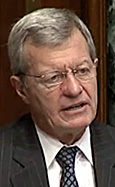
Sen. Max Baucus, D-Mont.
“The TPA legislation that we are introducing today will make sure that these trade deals get done, and get done right. This is our opportunity to tell the administration — and our trading partners — what Congress’ negotiating priorities are,” said Baucus, who has been nominated to become U.S. ambassador to China.
“TPA legislation is critical to a successful trade agenda,” Baucus said. “It is critical to boosting U.S. exports and creating jobs. And it’s critical to fueling America’s growing economy.”
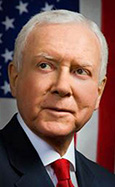
Sen. Orrin Hatch, R-Utah
“This bipartisan legislation helps meet the challenges of today’s competitive global economy and will play a key role in getting our nation out of years of economic stagnation by spurring economic growth and greater opportunity,” said Hatch.
“From increasing protections for digital trade and data flows to enforcing strong U.S. intellectual property rights, this legislation will be instrumental to ensuring that our country’s current trade negotiations in Asia and Europe are a success and that these agreements meet the high-standards necessary for congressional approval.”
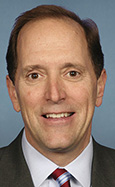
Rep. Dave Camp, R-Mich.
“This legislation will ensure that the administration is following the rules and negotiating objectives that Congress has set out,” Camp said.
“In order to achieve the economic growth and job benefits that trade agreements can bring to the U.S., we must first pass strong, bipartisan TPA legislation. I look forward to working with the administration and with Republicans and Democrats in Congress to enact this bill.”
In a summary of the bill, the three committee leaders said it would provide for tougher, enforceable rules against barriers to U.S. agriculture, confront competition from state-owned enterprises; address localization barriers to trade and restrictions on cross-border data flows, update labor and environment provisions to reflect recent trade agreements, and establish market access priorities for goods and services.
They also said the bill strengthens oversight by Congress and the public by adding consultation and reporting requirements and “sets out a clear directive on currency manipulation."
Baucus, Hatch and Camp also called TPA “a vital tool” in the Trans-Pacific-Partnership negotiations and the trade negotiations with the European Union.
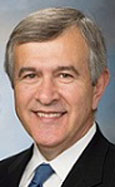
Sen. Mike Johanns, R-Neb.
Sen. Mike Johanns, R-Neb., immediately endorsed the bill.
“This legislation, if signed into law, gets us one step closer to breaking down trade barriers preventing our farmers, ranchers, and manufacturers from shipping American products around the world,” Johanns said
“I have supported TPA since I was governor and am eager to work with all willing parties to provide the necessary tools to achieve this goal.”
Democrats in opposition
But House Ways and Means ranking member Sander Levin, D-Mich., and other Democrats including Rep. Rosa De Lauro, D-Conn., said they could not support it.
Michael Froman
Trade Representative Michael Froman welcomed the introduction of the legislation.
“We expect to have a robust conversation on the Hill about how trade agreements should be negotiated and the role of Congress in that process,” Froman said.
“We’re eager to engage directly with members of the Finance and Ways and Means Committees and with all of Congress to pass Trade Promotion Authority legislation that has broad, bipartisan support,” he said.
“USTR is negotiating agreements in new ways that not will only open markets, but will do a better job of supporting American jobs and reflecting our values around the world — on labor, the environment, access to medicines and other issues.”
The bill’s prospects are uncertain without a Democratic House co-sponsor. House Speaker John Boehner, R-Ohio, said today he has told Obama that “this can’t pass unless there is bipartisan support for it.”
“And this goes back months, and yet we’ve seen scant attention to this issue by the administration in terms of encouraging Democrat leaders and Democrat members to stand up and vote for it,” Boehner added.
Bill Reinsch
But National Foreign Trade Council President Bill Reinsch said this week that he sees trade promotion authority and the Trans-Pacific Partnership negotiations reinforcing each other.
In a briefing Wednesday for reporters, Reinsch said that the prospects of passing TPP will make more members of Congress willing to support TPA, and that the prospect that Congress will grant TPA to the Obama administration will encourage negotiators of other countries to complete the agreement.
The biggest danger for TPA, Reinsch said, is for TPP negotiations to falter. NFTC also said that Rep. Ron Kind, D-Wis., is viewed as a potential Democratic co-sponsor.
“The Bipartisan Congressional Trade Priorities Act of 2014 establishes 21st century congressional negotiating objectives and rules for the administration to follow when engaged in trade talks, including strict requirements for congressional consultations and access to information,” Baucus, Hatch and Camp said in a news release issued by the Senate Finance Committee.
“Provided the administration follows the rules, special procedures apply when moving a negotiated deal that satisfies the objectives through the Senate and House of Representatives,” they added.
Sen. Max Baucus, D-Mont.
“The TPA legislation that we are introducing today will make sure that these trade deals get done, and get done right. This is our opportunity to tell the administration — and our trading partners — what Congress’ negotiating priorities are,” said Baucus, who has been nominated to become U.S. ambassador to China.
“TPA legislation is critical to a successful trade agenda,” Baucus said. “It is critical to boosting U.S. exports and creating jobs. And it’s critical to fueling America’s growing economy.”
Sen. Orrin Hatch, R-Utah
“This bipartisan legislation helps meet the challenges of today’s competitive global economy and will play a key role in getting our nation out of years of economic stagnation by spurring economic growth and greater opportunity,” said Hatch.
“From increasing protections for digital trade and data flows to enforcing strong U.S. intellectual property rights, this legislation will be instrumental to ensuring that our country’s current trade negotiations in Asia and Europe are a success and that these agreements meet the high-standards necessary for congressional approval.”
Rep. Dave Camp, R-Mich.
“This legislation will ensure that the administration is following the rules and negotiating objectives that Congress has set out,” Camp said.
“In order to achieve the economic growth and job benefits that trade agreements can bring to the U.S., we must first pass strong, bipartisan TPA legislation. I look forward to working with the administration and with Republicans and Democrats in Congress to enact this bill.”
In a summary of the bill, the three committee leaders said it would provide for tougher, enforceable rules against barriers to U.S. agriculture, confront competition from state-owned enterprises; address localization barriers to trade and restrictions on cross-border data flows, update labor and environment provisions to reflect recent trade agreements, and establish market access priorities for goods and services.
They also said the bill strengthens oversight by Congress and the public by adding consultation and reporting requirements and “sets out a clear directive on currency manipulation."
Baucus, Hatch and Camp also called TPA “a vital tool” in the Trans-Pacific-Partnership negotiations and the trade negotiations with the European Union.
Sen. Mike Johanns, R-Neb.
Sen. Mike Johanns, R-Neb., immediately endorsed the bill.
“This legislation, if signed into law, gets us one step closer to breaking down trade barriers preventing our farmers, ranchers, and manufacturers from shipping American products around the world,” Johanns said
“I have supported TPA since I was governor and am eager to work with all willing parties to provide the necessary tools to achieve this goal.”
Democrats in opposition
Rep. Sander Levin, D-Mich.
But Levin said in a statement that he could not support the bill because it does not give Congress enough of a role in the negotiations or cover the issues that have come up since Congress last passed trade promotion authority, also known as fast- track authority, in 2002.
“The effort by Sen. Baucus, Rep. Camp and Sen. Hatch has fallen far short of adequately replacing the failed 2002 TPA model,” Levin said. “I do not support their proposal and am working with colleagues to develop legislation that fully meets today’s needs in a rapidly globalizing economy.”
Since 2002, he added, “Globalization has intensified dramatically, its impact on American businesses and workers has been profound, and major new issues have proliferated.”
“Legislation needs to address currency manipulation not only through a ‘negotiating objective,’ but also through legislation that provides direct relief to U.S. industries materially injured by imports,” Levin said.
“In 2010, the House passed a currency bill by a vote of 348 to 79, with a strong majority of both parties,” he said. “The following year, the Senate passed a bill that included these same provisions, by a vote of 63 to 35, but the House did not act. Now is the time to pass that legislation into law.”



Reps. Rosa DeLauro, D-Conn., Louise Slaughter, D-N.Y., and George Miller, D-Calif.
Reps. Rosa DeLauro, D-Conn., Louise Slaughter, D-N.Y., and George Miller, D-Calif., also said today they oppose the bill and noted that they spearheaded a letter signed by 151 Democrats opposing the use of fast-track authority that abdicates Congress’s authority over trade matters.
“For too long, bad trade deals have allowed corporations to ship good American jobs overseas, and wages, benefits, workplace protections and quality of life have all declined as a result,” the three said in a joint statement.
“That is why there is strong bipartisan opposition to enabling the executive branch to ram through far-reaching, secretly negotiated trade deals like the TPP that extend well beyond traditional trade matters. At the core of the Baucus-Camp bill is the same fast-track mechanism that failed us from 2002-2007.”
“Our constituents did not send us to Washington to ship their jobs overseas, and Congress will not be a rubber stamp for another flawed trade deal that will hang the middle class out to dry,” they added.
“Instead of pursuing the same failed trade policies we should support American workers by making the necessary investments to compete in today’s global economy.”
Former Ways and Means Committee Chairman Charles Rangel, D-N.Y., and Rep. John Dingell, D-Mich., also announced their opposition to the bill introduced today.
Ag groups respond
The National Pork Producers Council applauded the introduction of the TPA bill, but noted that “it will oppose a TPP agreement in which tariffs on pork and other farm products are not quickly eliminated.”
Food and Water Watch said it opposes fast track because “it would pave the way for the TPP, which could have disastrous implications for American consumers.”
“The TPP threatens the very essence of our democratic process by promoting privatization of public resources and corporate self-regulation,” Food and Water Watch said.
“It would give companies the power to overrule local governing bodies on decisions about fracking, food safety, public health and the environment. Despite the far-reaching implications of these negotiations, the TPP has mostly been negotiated in secret. But over 600 official corporate 'trade advisors' are privy to the content in the agreements, even though members of Congress, governors, state legislators, the media or the public haven’t had access to its text.”
