‘Chavez,’ ‘Farmland’ films don’t stand up against Hollywood classics
April 14, 2014 | 04:14 PM
By JERRY HAGSTROM
HOLLYWOOD, Calif. — It’s hard to make good films about farming and agriculture, especially in competition with Hollywood classics such as “Oklahoma!,” “Gone with the Wind,” “The Wizard of Oz” and even “The Great Gatsby.”
Two very different films about American agriculture — “Cesar Chavez,” a biopic, and “Farmland,” a documentary, premiered this spring. Both have gotten early mixed reviews from the critics and they seem to fare poorly in comparison with the classics on rural life shown here this weekend at the Turner Classic Movies film festival.
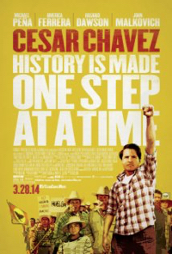 “Cesar Chavez,” the story of the United Farm Workers leader now in wide release, is “a well-cast, well-intentioned movie that falls into the trap that often awaits film biographies of brave and widely admired individuals,” A.O. Scott wrote in a New York Times review.
“The movie is so intent on reminding viewers of its subject’s heroism that it struggles to make him an interesting, three-dimensional person, and it tells his story as a series of dramatic bullet points, punctuated by black-and-white footage, some real, some simulated, of historical events,” the Times added.
Nathan Heller in The New Yorker was more scathing, noting that the film “was screened at the White House last month, was made under the gaze of Chavez’s family, and it draws out a familiar hagiography.” The film fails to portray the complexity of the man, Heller wrote.
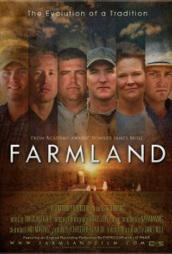 “Farmland,” a documentary telling the story of five young farmers, had its debut before an audience of farm policymakers and lobbyists in Washington on March 26 at the same time that the statue of Norman Borlaug, founder of the Green Revolution, was unveiled in the Capitol.
Agriculture Secretary Tom Vilsack saw it and praised it to the North American Agricultural Journalists last week, saying it shows the diversity and difficulties of American farmers today.
The film is visually beautiful and made by Academy Award-winning director James Moll, but it was financed by the U.S. Farmers and Ranchers Alliance, a group set up by the biggest farm groups to use checkoff funds to defend conventional agriculture to the general public.
At the Cleveland International Film Festival, its first screening before a general audience, “Farmland” was not so well received. Debbie Snook of The Plain Dealer wrote, “Five young farmers — a rancher, chicken man, pig man, organic crop grower and a solo produce woman — are placed in front of the lens to talk about their work. Farmers are people, too, the film is saying. Dramatically, it doesn’t go much beyond that. We see each of them with their families, their land and animals, their cell phones, their long hours, their Spanish-speaking help and their fears about weather.”
“They react to controversial issues — genetically modified organisms, animal welfare, pesticides — with their own quick and varied points of view,” the review continued. “It's all straightforward stuff, and with five lives to introduce, the film feels too crowded, the storytelling too breezy, like a series of vigorous, businesslike handshakes.”
Snook also notes that the film pays little attention to the food that people eat and how it tastes.
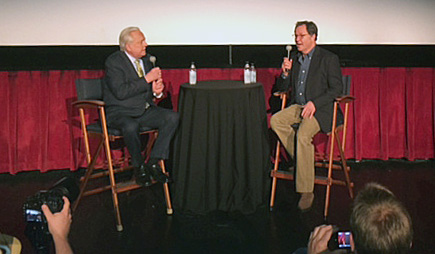
Turner Classic Movie host Robert Osborne, left, and producer David Ladd discuss “The Great Gatsby” Saturday at the 2014 TCM Classic Film Festival in Hollywood. Ladd’s father, Alan Ladd, starred in the 1949 film, the first talking version of F. Scott Fitzgerald’s classic American novel, and his son said he fought to get the film made. (Jerry Hagstrom/The Hagstrom Report)
Meanwhile, at its annual film festival here this weekend, Turner Classic Movies featured several films that are reminders of how interesting rural America and its people can be in the hands of independent artists. The films also illustrated how much rural America has changed since they were made.
With a theme “Family in the Movies: The Ties that Bind,” the festival started off Friday evening with a restored big screen version of “Oklahoma!,” the 1955 film of Rodgers and Hammerstein’s 1943 musical about life on the frontier.
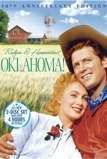 “Oklahoma!” focuses on the love story of Laurey, a farm girl played by Shirley Jones, and Curly, a cowboy played by Gordon MacRae. But it also focuses on the darker side of rural life: the interest of Jud, a farm hand played by Rod Steiger, in Laurey.
Although Jud is a negative character, he is also clearly portrayed as having been poorly treated, even abused, by previous employers. If the film were told today, the Jud character would be most accurately portrayed as an Hispanic, perhaps illegal, immigrant.
The festival also showed two other classics based in rural America: “Gone with the Wind” and “The Wizard of Oz.” Both films were made in 1939 and are celebrating their 75th anniversaries.
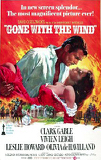 GWTW, as it is known in film circles, has been criticized in recent years for its romanticization of plantation life and unrealistic portrayals of African-American characters, but the story of Scarlett O’Hara and Rhett Butler and the importance of land is still memorable.
It would be interesting to see how a modern filmmaker would tell the story, although more recent films such as “12 Years a Slave,” this year’s Academy Award Best Picture, have offered a more accurate view of the Civil War era.
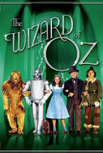 “Oz,” of course, transports Dorothy, a farm girl living with her Aunt Em and Uncle Henry, via tornado to the Land of Oz.
Dorothy’s reaction after landing in Munchkinland — “Toto, I’ve a feeling we’re not in Kansas anymore” — has played a big role in creating Kansas’s reputation as a quiet, comfortable and even dull place. But it’s hard to see it these days without being reminded that from the confrontations over slavery in the 1850s to today’s conservative controversies, The Sunflower State has never been a simple place.
TCM also presented a rare screening of the 1949 version of “The Great Gatsby,” based on the 1925 novel by F. Scott Fitzgerald.
“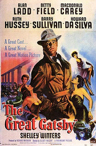 Gatsby” is so well-known as the story of East Coast wealth that it is often forgotten that Fitzgerald was born in St. Paul, Minn., and that his fictional Jay Gatsby was born James Gatz, a poor farm boy in North Dakota so embarrassed by the need to work as a janitor to attend St. Olaf College in Minnesota that he drops out, eventually becoming a successful bootlegger and changing his name.
Gatsby’s roots were shown in wind-swept scenes in the 2013 remake starring Leonardo DiCaprio. The 1949 version doesn’t even mention the character’s farm background, but it contains a fine performance of Gatsby by Alan Ladd.
Seeing “Gatsby” is a reminder that impoverished farm boys are hard to find on the Plains today. Commodity prices are high, and when a drought occurs, drought-resistant seeds keep up production and crop insurance takes care of a lot of the losses.
But there are contemporary stories in rural America that could make fine movies in the hands of independent artists.
Perhaps one day filmmakers will tackle the farm worker problems such as illegal immigration or the conflicts between genetic modification and organic production in ways that can capture the hearts and minds of the movie-going public, rather than pander to the interests of the people who want the movie made.
HOLLYWOOD, Calif. — It’s hard to make good films about farming and agriculture, especially in competition with Hollywood classics such as “Oklahoma!,” “Gone with the Wind,” “The Wizard of Oz” and even “The Great Gatsby.”
Two very different films about American agriculture — “Cesar Chavez,” a biopic, and “Farmland,” a documentary, premiered this spring. Both have gotten early mixed reviews from the critics and they seem to fare poorly in comparison with the classics on rural life shown here this weekend at the Turner Classic Movies film festival.
“The movie is so intent on reminding viewers of its subject’s heroism that it struggles to make him an interesting, three-dimensional person, and it tells his story as a series of dramatic bullet points, punctuated by black-and-white footage, some real, some simulated, of historical events,” the Times added.
Nathan Heller in The New Yorker was more scathing, noting that the film “was screened at the White House last month, was made under the gaze of Chavez’s family, and it draws out a familiar hagiography.” The film fails to portray the complexity of the man, Heller wrote.
Agriculture Secretary Tom Vilsack saw it and praised it to the North American Agricultural Journalists last week, saying it shows the diversity and difficulties of American farmers today.
The film is visually beautiful and made by Academy Award-winning director James Moll, but it was financed by the U.S. Farmers and Ranchers Alliance, a group set up by the biggest farm groups to use checkoff funds to defend conventional agriculture to the general public.
At the Cleveland International Film Festival, its first screening before a general audience, “Farmland” was not so well received. Debbie Snook of The Plain Dealer wrote, “Five young farmers — a rancher, chicken man, pig man, organic crop grower and a solo produce woman — are placed in front of the lens to talk about their work. Farmers are people, too, the film is saying. Dramatically, it doesn’t go much beyond that. We see each of them with their families, their land and animals, their cell phones, their long hours, their Spanish-speaking help and their fears about weather.”
“They react to controversial issues — genetically modified organisms, animal welfare, pesticides — with their own quick and varied points of view,” the review continued. “It's all straightforward stuff, and with five lives to introduce, the film feels too crowded, the storytelling too breezy, like a series of vigorous, businesslike handshakes.”
Snook also notes that the film pays little attention to the food that people eat and how it tastes.
Turner Classic Movie host Robert Osborne, left, and producer David Ladd discuss “The Great Gatsby” Saturday at the 2014 TCM Classic Film Festival in Hollywood. Ladd’s father, Alan Ladd, starred in the 1949 film, the first talking version of F. Scott Fitzgerald’s classic American novel, and his son said he fought to get the film made. (Jerry Hagstrom/The Hagstrom Report)
Meanwhile, at its annual film festival here this weekend, Turner Classic Movies featured several films that are reminders of how interesting rural America and its people can be in the hands of independent artists. The films also illustrated how much rural America has changed since they were made.
With a theme “Family in the Movies: The Ties that Bind,” the festival started off Friday evening with a restored big screen version of “Oklahoma!,” the 1955 film of Rodgers and Hammerstein’s 1943 musical about life on the frontier.
Although Jud is a negative character, he is also clearly portrayed as having been poorly treated, even abused, by previous employers. If the film were told today, the Jud character would be most accurately portrayed as an Hispanic, perhaps illegal, immigrant.
The festival also showed two other classics based in rural America: “Gone with the Wind” and “The Wizard of Oz.” Both films were made in 1939 and are celebrating their 75th anniversaries.
It would be interesting to see how a modern filmmaker would tell the story, although more recent films such as “12 Years a Slave,” this year’s Academy Award Best Picture, have offered a more accurate view of the Civil War era.
Dorothy’s reaction after landing in Munchkinland — “Toto, I’ve a feeling we’re not in Kansas anymore” — has played a big role in creating Kansas’s reputation as a quiet, comfortable and even dull place. But it’s hard to see it these days without being reminded that from the confrontations over slavery in the 1850s to today’s conservative controversies, The Sunflower State has never been a simple place.
TCM also presented a rare screening of the 1949 version of “The Great Gatsby,” based on the 1925 novel by F. Scott Fitzgerald.
“
Gatsby’s roots were shown in wind-swept scenes in the 2013 remake starring Leonardo DiCaprio. The 1949 version doesn’t even mention the character’s farm background, but it contains a fine performance of Gatsby by Alan Ladd.
Seeing “Gatsby” is a reminder that impoverished farm boys are hard to find on the Plains today. Commodity prices are high, and when a drought occurs, drought-resistant seeds keep up production and crop insurance takes care of a lot of the losses.
But there are contemporary stories in rural America that could make fine movies in the hands of independent artists.
Perhaps one day filmmakers will tackle the farm worker problems such as illegal immigration or the conflicts between genetic modification and organic production in ways that can capture the hearts and minds of the movie-going public, rather than pander to the interests of the people who want the movie made.
- “Cesar Chavez” (Movie)
- “Farmland”
- The New Yorker — Hunger Artist: How ‘Cesar Chavez’ disserved his dream
- The Nation — Out of the Fields, Onto the Screen: What ‘Cesar Chavez’ Gets Wrong About the Labor Movement
- National Public Radio — Cesar Chavez Film Faces Criticism For Not Being Chicano Enough
- The Plain Dealer — ‘Farmland’ festival film introduces young people growing our food
