U.S., farm leaders say food import ban will hurt Russia more than United States
August 07, 2014 | 07:20 PM
U.S. officials and American farmer leaders joined together in the last 24 hours to say that Russian President Vladimir Putin’s ban on U.S. food imports would hurt his country and the Russian people more than American producers.
Putin has announced that he will ban imports from the countries that have placed sanctions on Russia over its role in Ukraine. That ban includes the European Union countries, the United States, Australia, Canada and Norway.
The Itar-Tass News Agency said the products banned include the following: cattle meat (fresh, chilled and refrigerated), pork (fresh, chilled and refrigerated), poultry meat and all poultry edible by-products, salted meat, pickled meat, dried meat, smoked meat, fish and shell fish, clams and other water invertebrates, milk and dairy products, vegetables, edible roots and tuber crops, fruits and nuts, sausage and analogous meat products, meat by-products or blood, as well as products made of them, ready-to-eat products including cheeses and cottage-cheese based on vegetable fats.
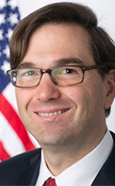 Jason Furman
“Russia’s actions in Ukraine and the sanctions we’ve already imposed have made a weak Russian economy even weaker,” Council of Economic Advisers Chairman Jason Furman said in a telephone briefing today.
“Foreign investors are increasingly staying away and Russian investors are fleeing. Even before our actions, nearly $100 billion in capital was expected to leave Russia this year,” Furman said.
“If you look, one-tenth of 1 percent of the U.S. GDP is our exports to Russia,” he continued. “Only eight-tenths of a percent of European Union GDP is its exports to Russia.
“Conversely, 13 percent of Russia’s GDP is exports to the United States and the EU. You see a similar picture on the import side. We have very little dependence on imports from Russia,” Furman said. “Conversely, the FT reported today 40 percent of Russia’s food needs in value terms are imported.”
An Agriculture Department spokeswoman said the United States exported $1.2 billion to Russia in agricultural products.
“This was less than 1 percent of total U.S. ag exports (at $144 billion in calendar year 2013),” the spokeswoman said.
“Our largest exports last year were poultry meat and products ($310 million), tree nuts (primarily almonds) at $172 million, soybeans ($157 million), live animals (primarily cattle) at $149 million, and prepared food ($84 million).”
The National Chicken Council and the USA Poultry & Egg Export Council said, “Russia is the second-leading market for U.S. chicken. In 2013 the U.S. exported about 267,000 metric tons of chicken to Russia valued at $303 million. As its domestic poultry industry has expanded, Russia has in recent years become less important as an export market. Russia currently accounts for only about 7 percent of total U.S. poultry export volume. In the mid-1990s, exports to Russia were as much as 40 percent of that total.”
“As a result,” the groups continued, “we do not expect that a Russian ban on U.S. poultry imports will have a great impact on our industry. The biggest impact, we believe, will be on Russian citizens who will be burdened by higher prices for all food products, especially meat and poultry. The price of poultry in Russia is already rising and has recently been increasing at a rate of 2 percent to 3 percent per week.”
The American Soybean Association said, “Russia is a key trading partner for U.S. agriculture, and the Russian people are our customers like so many others in the world’s emerging markets. However, we would add that Russia, while very important, is only one of hundreds of our customers worldwide. By limiting his people’s access to American soybeans and other products, he does a great disservice to his Russian countrymen and women.”
Soybeans are the biggest crop export from the U.S. to Russia, due in large part to that country’s burgeoning economy and growing demand for meat” the group continued.
“Sanctions and bans like the one proposed by President Putin serve only to hurt the Russian people by limiting their access to the food and products they need and want.”
▪ ITAR-TASS — Russia bans food imports from Australia, Canada, EU, US, Norway
Putin has announced that he will ban imports from the countries that have placed sanctions on Russia over its role in Ukraine. That ban includes the European Union countries, the United States, Australia, Canada and Norway.
The Itar-Tass News Agency said the products banned include the following: cattle meat (fresh, chilled and refrigerated), pork (fresh, chilled and refrigerated), poultry meat and all poultry edible by-products, salted meat, pickled meat, dried meat, smoked meat, fish and shell fish, clams and other water invertebrates, milk and dairy products, vegetables, edible roots and tuber crops, fruits and nuts, sausage and analogous meat products, meat by-products or blood, as well as products made of them, ready-to-eat products including cheeses and cottage-cheese based on vegetable fats.
“Russia’s actions in Ukraine and the sanctions we’ve already imposed have made a weak Russian economy even weaker,” Council of Economic Advisers Chairman Jason Furman said in a telephone briefing today.
“Foreign investors are increasingly staying away and Russian investors are fleeing. Even before our actions, nearly $100 billion in capital was expected to leave Russia this year,” Furman said.
“If you look, one-tenth of 1 percent of the U.S. GDP is our exports to Russia,” he continued. “Only eight-tenths of a percent of European Union GDP is its exports to Russia.
“Conversely, 13 percent of Russia’s GDP is exports to the United States and the EU. You see a similar picture on the import side. We have very little dependence on imports from Russia,” Furman said. “Conversely, the FT reported today 40 percent of Russia’s food needs in value terms are imported.”
An Agriculture Department spokeswoman said the United States exported $1.2 billion to Russia in agricultural products.
“This was less than 1 percent of total U.S. ag exports (at $144 billion in calendar year 2013),” the spokeswoman said.
“Our largest exports last year were poultry meat and products ($310 million), tree nuts (primarily almonds) at $172 million, soybeans ($157 million), live animals (primarily cattle) at $149 million, and prepared food ($84 million).”
The National Chicken Council and the USA Poultry & Egg Export Council said, “Russia is the second-leading market for U.S. chicken. In 2013 the U.S. exported about 267,000 metric tons of chicken to Russia valued at $303 million. As its domestic poultry industry has expanded, Russia has in recent years become less important as an export market. Russia currently accounts for only about 7 percent of total U.S. poultry export volume. In the mid-1990s, exports to Russia were as much as 40 percent of that total.”
“As a result,” the groups continued, “we do not expect that a Russian ban on U.S. poultry imports will have a great impact on our industry. The biggest impact, we believe, will be on Russian citizens who will be burdened by higher prices for all food products, especially meat and poultry. The price of poultry in Russia is already rising and has recently been increasing at a rate of 2 percent to 3 percent per week.”
The American Soybean Association said, “Russia is a key trading partner for U.S. agriculture, and the Russian people are our customers like so many others in the world’s emerging markets. However, we would add that Russia, while very important, is only one of hundreds of our customers worldwide. By limiting his people’s access to American soybeans and other products, he does a great disservice to his Russian countrymen and women.”
Soybeans are the biggest crop export from the U.S. to Russia, due in large part to that country’s burgeoning economy and growing demand for meat” the group continued.
“Sanctions and bans like the one proposed by President Putin serve only to hurt the Russian people by limiting their access to the food and products they need and want.”
▪ ITAR-TASS — Russia bans food imports from Australia, Canada, EU, US, Norway
