House Ag subcommittee hot-goods hearing seems to have no impact
August 26, 2014 | 04:05 PM
By ALEX GANGITANO
and JERRY HAGSTROM
A House Agriculture subcommittee hearing on the Labor Department’s use of the “hot goods” provision of labor law in the Pacific Northwest to enforce agricultural wage and hour laws appears to have had no impact.
The House Agriculture Horticulture, Research, Biotechnology and Foreign Agriculture Subcommittee held a hearing on July 30 to address farmers’ concerns that the Labor Department is using the Fair Labor Standards Act of 1938 “in an arbitrary manner against producers of perishable agricultural commodities without regard for the inevitable destruction of the product and significant economic hardship inflicted on farmers and their employees,” the subcommittee said in a news release.
The House Agriculture Committee does not have jurisdiction over the Labor Department so its impact on the department is limited, but at the hearings members said they wanted to highlight what they viewed as abusive practices.
The hearing focused on a 2012 case in which the Labor Department’s Wage and Hour Division accused three Oregon blueberry farmers of violating the federal minimum wage law. A Labor Department spokesman told The Hagstrom Report late last week that DOL would not comment directly on the situation because it is in litigation, but said that a blog item posted by Wage and Hour Division Administrator David Weil is still the department’s view on the matter.
FLSA prohibits the shipment, offer for shipment, or sale in interstate commerce, of any goods produced in violation of the minimum wage, overtime pay, child labor or special minimum wage provisions, and the agency threatened to block shipment of these hot goods unless the farmers agreed to pay $240,000 in fines and alleged back wages.
The farmers agreed to pay, but two of the three farms later sought to void those consent degrees, and on April 24 a federal judge agreed with them.
The Labor Department has filed an interlocutory appeal of the April 24 findings and recommendations and is still pursuing the matter.
At the July 30 hearing, a series of House members accused the Labor Department of using fear and intimidation to force the settlements, but the same day Weil, who testified before the subcommittee, posted the blog item defending the agency’s action.
 David Weil
“Congress included in the FLSA an explicit prohibition against the shipment and distribution in commerce of goods that were produced in violation of the act’s minimum wage, overtime or child labor requirements,” Weil wrote.
“Commonly referred to as the ‘hot goods’ provision of the FLSA, its necessity, as the Supreme Court later pointed out, is to exclude from interstate commerce goods produced under substandard labor conditions that would compete unfairly with goods produced by law-abiding employers, and which could have the effect of forcing those employers out of business. There is no exception in the hot-goods provision for perishable goods or agricultural employers.”
“We believe it is important to provide fair wages for agricultural workers,” Rep. Austin Scott, R-Ga., said. “Yet, this law was not intended for use with regards to fresh fruits and vegetables, which perish more easily than a manufactured good.”
“What they have failed to acknowledge is the inexcusable use of a tool which Congress has never granted or intended — the tool of fear and intimidation,” he said, referring to Labor Department officials.
Rep. Kurt Schrader, D-Ore., the subcommittee ranking member, said the use of hot goods is “troubling” and “completely uncalled for.”
In his testimony, Weil said of hot goods, “It is an important tool that we use carefully and appropriately.”
“Our hot-goods enforcement actions are a small but important part of this overall mission. Our measure of success will be improving compliance levels in the agricultural industry, so that when we enter workplaces in the days, weeks, months and years ahead, we find fewer and fewer violations,” he said.
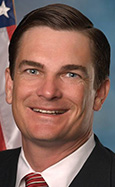 Rep. Austin Scott, R-Ga.
Scott questioned DOL’s budget, which is roughly a quarter of a million dollars. He declared that farmers have to use private money and assets to defend themselves in a court, then read the definition of extortion.
“Do you believe the agency should return the farmer’s legal fees to them?” Scott asked. “If you were operating in a fair and equitable manner, we would not be here today. When people in charge of agencies use the laws in a manner that the U.S. courts have put the American citizen under duress and violated the American citizen’s constitutional right, there should be consequences.”
Of the Oregon farmers, Scott told Weil, “DOL extorted money from them. You’re violating people’s due rights, that’s not good advertising about what the government of the U.S. is about.”
“You’re violating your own standards … It’s sad, it’s almost indefensible. You’re almost digging a bigger hole for DOL with your testimony.”
Weil declined to answer specific questions about the Oregon cases, saying he could not comment on an ongoing case.
“The American citizen had to use their private dollars to defend themselves against the government,” Scott said. “Where you, as the 800 pound gorilla in this case, have forced them into the appeals process, you know you can force them into bankruptcy. I think the farmers should be compensated for their rule and I think it should come out of the payroll of your agency.”
Members also told Weil that their concern is that the hot-goods provision should not be used with perishable foods. In numerous cases, members reminded Weil that the subcommittee’s concern was around perishable goods, not all hot-goods cases.
But Weil noted that his division has utilized the hot-goods provision in a wide range of agricultural cases, including those in other parts of the country, and said that the practice of paying low wages hurts employers who pay proper wages.
The Labor Department spokesman added that since fiscal year 2009, the Wage and Hour Division has concluded nearly 7,500 agricultural investigations, collecting more than $20,332,200 million in back wages for more than 46,600 workers nationwide. “That’s income in the hands of those who earned it,” the spokesman said.
Weil also testified that since 2009 the Labor Department has conducted nearly 600 outreach events and presentations nationwide specifically geared towards providing valuable information and compliance assistance to the agricultural industry.
Weil concluded his testimony by saying that he is “proud to be leading an agency with such a critical mission in the 21st century economy… Our hot-goods enforcement actions are a small but important part of this overall mission. Our measure of success will be improving compliance levels in the agricultural industry, so that when we enter workplaces in the days, weeks, months and years ahead, we find fewer and fewer violations.”
▪ U.S. District Court Oregon — Motion to Certify Interlocutory Appeal
▪ Department of Labor — Protecting Workers & Preventing Unfair Competition
▪ — Cultivating Compliance: An Agricultural Guide to Federal Labor Law
and JERRY HAGSTROM
A House Agriculture subcommittee hearing on the Labor Department’s use of the “hot goods” provision of labor law in the Pacific Northwest to enforce agricultural wage and hour laws appears to have had no impact.
The House Agriculture Horticulture, Research, Biotechnology and Foreign Agriculture Subcommittee held a hearing on July 30 to address farmers’ concerns that the Labor Department is using the Fair Labor Standards Act of 1938 “in an arbitrary manner against producers of perishable agricultural commodities without regard for the inevitable destruction of the product and significant economic hardship inflicted on farmers and their employees,” the subcommittee said in a news release.
The House Agriculture Committee does not have jurisdiction over the Labor Department so its impact on the department is limited, but at the hearings members said they wanted to highlight what they viewed as abusive practices.
The hearing focused on a 2012 case in which the Labor Department’s Wage and Hour Division accused three Oregon blueberry farmers of violating the federal minimum wage law. A Labor Department spokesman told The Hagstrom Report late last week that DOL would not comment directly on the situation because it is in litigation, but said that a blog item posted by Wage and Hour Division Administrator David Weil is still the department’s view on the matter.
FLSA prohibits the shipment, offer for shipment, or sale in interstate commerce, of any goods produced in violation of the minimum wage, overtime pay, child labor or special minimum wage provisions, and the agency threatened to block shipment of these hot goods unless the farmers agreed to pay $240,000 in fines and alleged back wages.
The farmers agreed to pay, but two of the three farms later sought to void those consent degrees, and on April 24 a federal judge agreed with them.
The Labor Department has filed an interlocutory appeal of the April 24 findings and recommendations and is still pursuing the matter.
At the July 30 hearing, a series of House members accused the Labor Department of using fear and intimidation to force the settlements, but the same day Weil, who testified before the subcommittee, posted the blog item defending the agency’s action.
“Congress included in the FLSA an explicit prohibition against the shipment and distribution in commerce of goods that were produced in violation of the act’s minimum wage, overtime or child labor requirements,” Weil wrote.
“Commonly referred to as the ‘hot goods’ provision of the FLSA, its necessity, as the Supreme Court later pointed out, is to exclude from interstate commerce goods produced under substandard labor conditions that would compete unfairly with goods produced by law-abiding employers, and which could have the effect of forcing those employers out of business. There is no exception in the hot-goods provision for perishable goods or agricultural employers.”
“We believe it is important to provide fair wages for agricultural workers,” Rep. Austin Scott, R-Ga., said. “Yet, this law was not intended for use with regards to fresh fruits and vegetables, which perish more easily than a manufactured good.”
“What they have failed to acknowledge is the inexcusable use of a tool which Congress has never granted or intended — the tool of fear and intimidation,” he said, referring to Labor Department officials.
Rep. Kurt Schrader, D-Ore., the subcommittee ranking member, said the use of hot goods is “troubling” and “completely uncalled for.”
In his testimony, Weil said of hot goods, “It is an important tool that we use carefully and appropriately.”
“Our hot-goods enforcement actions are a small but important part of this overall mission. Our measure of success will be improving compliance levels in the agricultural industry, so that when we enter workplaces in the days, weeks, months and years ahead, we find fewer and fewer violations,” he said.
Scott questioned DOL’s budget, which is roughly a quarter of a million dollars. He declared that farmers have to use private money and assets to defend themselves in a court, then read the definition of extortion.
“Do you believe the agency should return the farmer’s legal fees to them?” Scott asked. “If you were operating in a fair and equitable manner, we would not be here today. When people in charge of agencies use the laws in a manner that the U.S. courts have put the American citizen under duress and violated the American citizen’s constitutional right, there should be consequences.”
Of the Oregon farmers, Scott told Weil, “DOL extorted money from them. You’re violating people’s due rights, that’s not good advertising about what the government of the U.S. is about.”
“You’re violating your own standards … It’s sad, it’s almost indefensible. You’re almost digging a bigger hole for DOL with your testimony.”
Weil declined to answer specific questions about the Oregon cases, saying he could not comment on an ongoing case.
“The American citizen had to use their private dollars to defend themselves against the government,” Scott said. “Where you, as the 800 pound gorilla in this case, have forced them into the appeals process, you know you can force them into bankruptcy. I think the farmers should be compensated for their rule and I think it should come out of the payroll of your agency.”
Members also told Weil that their concern is that the hot-goods provision should not be used with perishable foods. In numerous cases, members reminded Weil that the subcommittee’s concern was around perishable goods, not all hot-goods cases.
But Weil noted that his division has utilized the hot-goods provision in a wide range of agricultural cases, including those in other parts of the country, and said that the practice of paying low wages hurts employers who pay proper wages.
The Labor Department spokesman added that since fiscal year 2009, the Wage and Hour Division has concluded nearly 7,500 agricultural investigations, collecting more than $20,332,200 million in back wages for more than 46,600 workers nationwide. “That’s income in the hands of those who earned it,” the spokesman said.
Weil also testified that since 2009 the Labor Department has conducted nearly 600 outreach events and presentations nationwide specifically geared towards providing valuable information and compliance assistance to the agricultural industry.
Weil concluded his testimony by saying that he is “proud to be leading an agency with such a critical mission in the 21st century economy… Our hot-goods enforcement actions are a small but important part of this overall mission. Our measure of success will be improving compliance levels in the agricultural industry, so that when we enter workplaces in the days, weeks, months and years ahead, we find fewer and fewer violations.”
▪ U.S. District Court Oregon — Motion to Certify Interlocutory Appeal
▪ Department of Labor — Protecting Workers & Preventing Unfair Competition
▪ — Cultivating Compliance: An Agricultural Guide to Federal Labor Law
